
Hair Myths, From Shaving and Trimming to Hats and Plucked Gray Hairs

One trip to the hair salon can start a conversation that lasts longer than the haircut itself. Trim your ends every month, and your hair will grow faster. Wear a hat too often, and you'll go bald. And if you spot your first gray hair, whatever you do, don't pluck it. Apparently, three more will grow in its place.
Most popular hair myths have little scientific support. Shaving does not make hair thicker, regular trims do not accelerate growth, and plucking one gray hair cannot produce several new ones. However, certain habits really can damage hair and contribute to hair loss.
Hair advice could easily fill several pages of a notebook devoted to familiar claims. People often notice real changes in their hair but attribute them to the wrong cause. Researchers have been testing some of these claims for nearly a century.
In this article
Myth 1: Shaving Makes Hair Grow Back Thicker and Darker
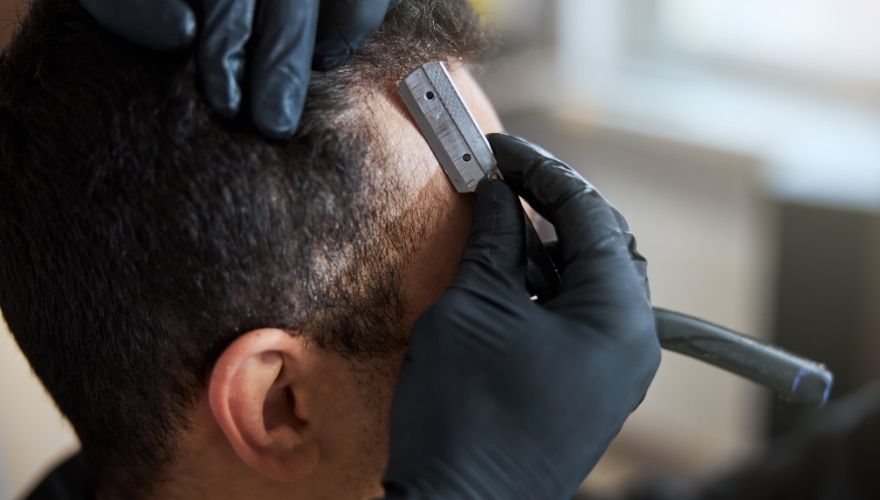
The belief is old enough that anatomist Mildred Trotter decided to test it in 1928. In her paper Hair Growth and Shaving, she monitored beard growth in four men and found no evidence that shaving stimulated faster growth.
Decades later, Yelva Lynfield and Peter Macwilliams asked five men to shave only one leg regularly in a 1970 experiment. The other leg served as a control. The researchers found no significant differences in hair thickness or growth rate.
The follicle beneath the skin remains unaffected. That rough sensation can easily be mistaken for proof that the hair has become thicker. The control leg in the 1970 experiment was particularly useful because it allowed researchers to compare shaved and unshaved hair on the same person.
Myth 2: Frequent Trims Make Your Hair Grow Faster
Hair grows from follicles inside the scalp. A hairstylist cuts the visible portion of each strand, so scissors cannot change the rate at which the follicle produces new hair.
According to Cleveland Clinic, scalp hair typically grows approximately four to six inches per year.
Regular trims still serve a useful purpose. Removing split ends can reduce further breakage along damaged strands, helping hair retain more of its existing length.
Consider a simple example. Your hair grows about half an inch in a month, but roughly the same amount breaks off at the ends. Your overall length barely changes, even though your follicles continue to produce hair normally.
After regular trims, hair may appear to grow faster because less of its length is lost to breakage. The actual growth rate remains unchanged.
Myth 3: Wearing a Hat Every Day Causes Baldness
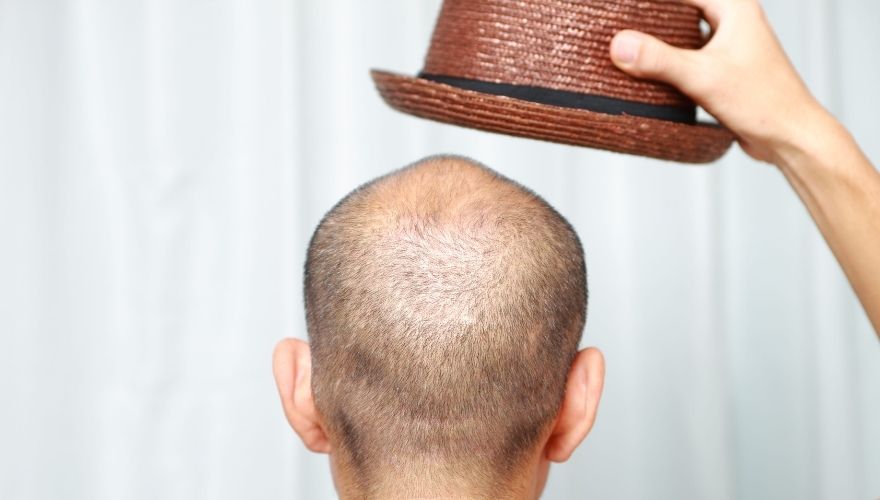
Researchers examined 92 identical male twins in a 2013 study. They compared lifestyle habits with the degree of hair loss.
The result was unexpected. Daily hat use was associated with less hair loss at the temples.
The study did not establish that hats prevent baldness. Researchers identified an association without confirming its cause. Genetics and hormones play a much larger role in common male-pattern hair loss.
There is one important exception. The American Academy of Dermatology warns that prolonged tension on hair can cause traction alopecia, a form of hair loss associated with repeated pulling.
An ordinary, comfortable hat is different from tight headwear that constantly pulls at the hair.
It is easy to see how the myth survived.
Hats sit directly against the scalp, so blaming them for hair loss sounds plausible. The twin study provides a good reason to be more cautious about that assumption.
Myth 4: Plucking One Gray Hair Makes Three More Grow
When your first gray hair appears, someone will probably advise you to leave it alone. Otherwise, several more will supposedly appear in its place. Plucking one hair does not cause a follicle to produce additional strands.
The American Academy of Dermatology explains that hair becomes gray when follicles stop producing enough melanin, the pigment responsible for its color.
If you pluck a gray hair, the replacement that grows from the same follicle will generally also be gray. Repeated plucking can damage the follicle and potentially contribute to permanent hair loss.
The number of gray hairs naturally increases with age for many people. That gradual change can make it seem as though one plucked hair caused several others to appear.
If a single gray strand bothers you, carefully trimming it with scissors is a safer option.
Myth 5: Frequent Hair Washing Causes Hair Loss
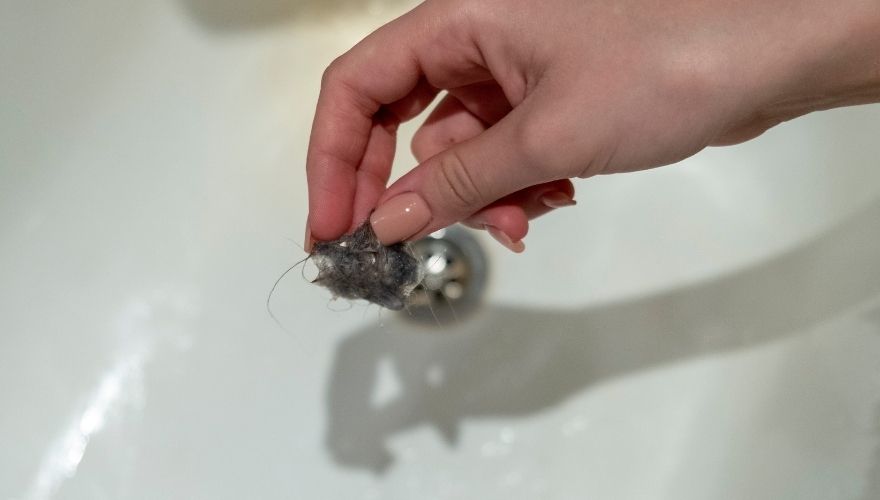
Finding dozens of hairs in the shower drain can be unsettling. However, hair naturally passes through growth and shedding cycles.
According to the American Academy of Dermatology, losing approximately 50 to 100 hairs a day is normal. Washing often makes strands that were already ready to shed more noticeable.
Hair-wash frequency should depend on your hair type and scalp condition. Harsh products can dry out or damage the hair shaft, so choosing an appropriate shampoo matters.
There is also an important distinction between normal shedding and actual hair thinning. A sudden increase in hair loss or noticeable bald patches deserves an evaluation by a dermatologist.
A pile of hair in the shower is easy to remember. The strands that fall out unnoticed during the rest of the day rarely receive the same attention.
Myth 6: Hair Keeps Growing After Death
Probably the strangest belief on the list is that hair and fingernails continue to grow for several days after death.
Hair growth requires active metabolic processes inside the follicles. Those processes stop after death.
There is a reason people once believed otherwise. As the body loses moisture, the skin gradually retracts. Existing hair can consequently appear longer.
The same effect explains the apparent growth of fingernails. Our separate article on hair and nail growth after death explains how changes in the skin create that illusion.
What Actually Matters Most for Healthy Hair?
After examining the research behind these myths, one distinction matters most. Hair growth depends primarily on processes inside the follicle, while everyday care has a considerable effect on the condition of hair that has already emerged.
Genetics and hormones play major roles in hair density. Mechanical damage and aggressive treatments can contribute to breakage.
Regular trims therefore make sense when the ends are damaged. A comfortable hat is no reason for concern, and plucking gray hairs offers no benefit.
If sudden hair loss develops, checking for a possible medical cause is far more useful than counting how many times you washed your hair that week.
As for that first gray hair, it probably won’t invite three friends to join it just because you plucked it.