
Cold Myths Your Family Still Swears By, From Chicken Soup to Sweating It Out

A few sneezes come out of a child's bedroom, and the family medical committee is suddenly in session. Grandma puts chicken soup on the stove. Someone suggests tea with honey, and then comes the familiar warning: You went outside with wet hair yesterday! By evening, an extra blanket will probably appear because apparently, a cold needs to be sweated out.
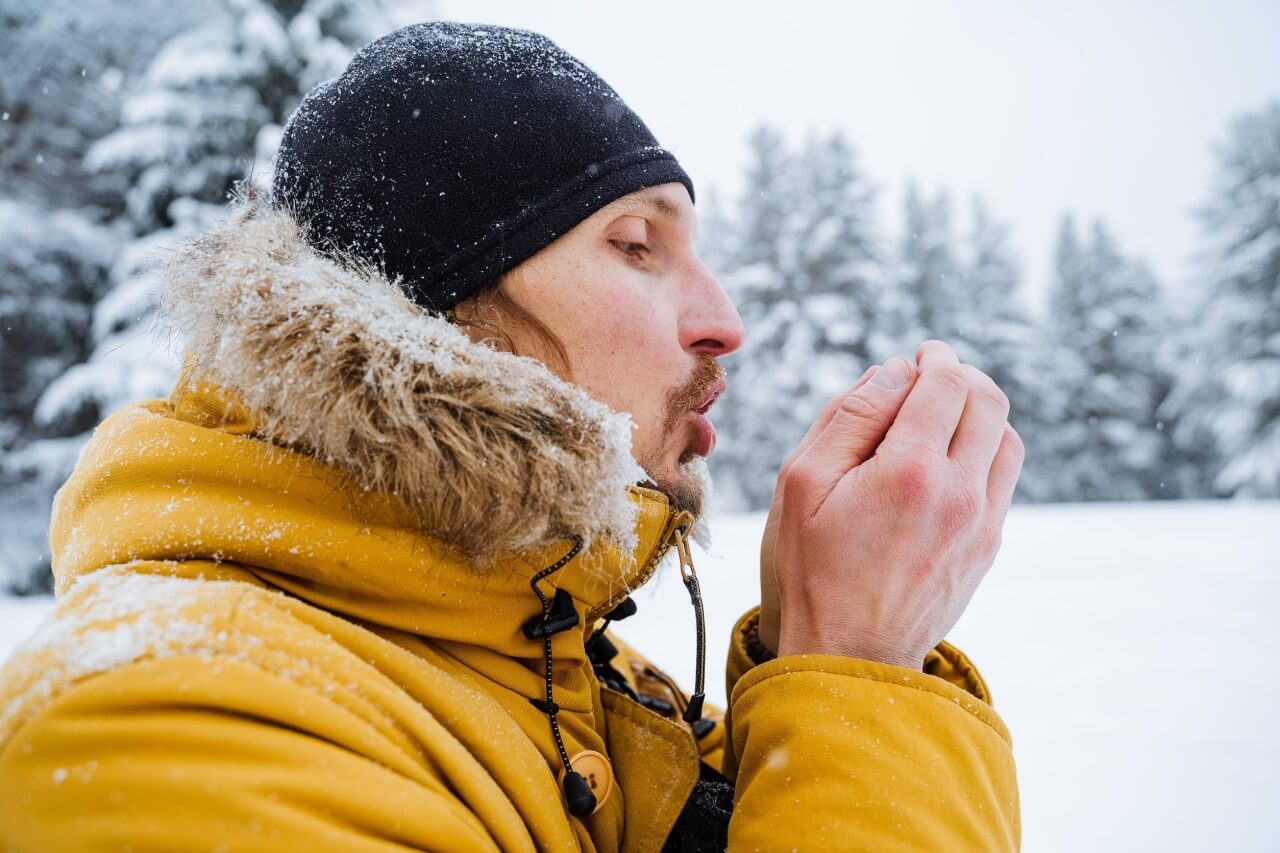
Colds are caused by viruses, and most traditional home remedies cannot prevent or cure the infection. Some can relieve symptoms, though. Chicken soup may provide comfort, honey can ease a cough, and cold air may affect the nose’s antiviral defenses. Familiar questions like can you catch a cold from being cold and does wet hair make you sick have scientific answers that often differ from the explanations passed down through families.
Many families have repeated versions of those warnings for generations. Many began with reasonable observations, and that is probably why they lasted. The trouble starts when something that makes a sick person feel better gets treated as proof of a cure.
In this article
Myth 1: Going Outside in Cold Weather Will Give You a Cold
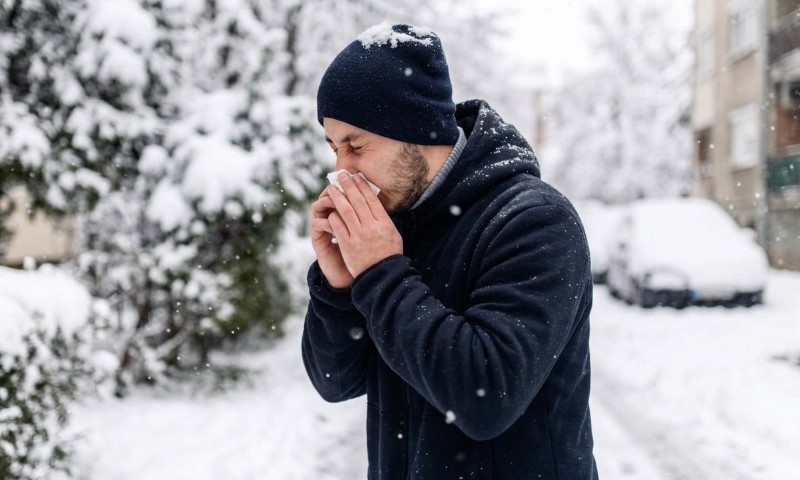
Cold air alone cannot cause a cold. A respiratory virus, most commonly a rhinovirus, must enter the body for an infection to occur. However, the question can you catch a cold from being cold has a biological detail worth examining.
In a 2015 Yale University experiment, scientists found that rhinovirus replicated more successfully in mouse airway cells at 33°C than at 37°C. At the lower temperature, the cells produced a weaker antiviral response. A later 2023 study of human nasal tissue identified another defense mechanism affected by cold exposure. Researchers examined extracellular vesicles, tiny particles released by nasal cells that help defend against viruses. Cooler conditions reduced their protective activity.
The two papers need to be compared carefully before their findings are applied to everyday life. The first experiment involved mouse cells, and the second examined human nasal tissue. Neither directly measured how many people caught colds after outdoor exposure.
So can you catch a cold from being cold? You still need exposure to a virus. A cold day alone cannot supply one.
Myth 2: Wet Hair Makes You Sick
The warning about wet hair is familiar to many people from childhood. It always sounded specific enough to have some medical basis. But does wet hair make you sick? According to family physician Carmen Dargel in a 2022 Mayo Clinic explanation, damp hair can make you feel colder and uncomfortable. It does not directly cause a viral infection.
Consider a hypothetical example. A child walks home with damp hair on Monday and develops a sore throat on Wednesday. A family member had a cold over the weekend. The wet hair is easy to recall, but the earlier contact provides a plausible route for viral exposure. Our memories favor the uncomfortable cold afternoon, yet we pay less attention to every person who coughed nearby.
The answer to does wet hair make you sick depends on the illness under discussion. Damp hair can make a cold day unpleasant, but it cannot produce a rhinovirus infection.
Myth 3: Wearing a Hat Every Day Causes Hair Loss

Winter hats seem to attract contradictory advice. One relative insists you need one to stay healthy. Another warns that frequent hat use will make you bald.
Researchers examined the hair loss patterns of 92 identical male twins in a study published in Plastic and Reconstructive Surgery in 2013. Men who wore hats daily had less hair loss at the temples. The association had borderline statistical significance, with a p-value of 0.050.
The researchers did not prove that hats prevent baldness. The study was observational and could not establish a protective effect. Genetics and hormonal factors remain important causes of male-pattern hair loss. Very tight headwear or hairstyles that repeatedly pull on the hair can create separate problems.
The researchers’ findings are worth a closer look because an association between hats and hair loss might seem unlikely. The association at the temples was unexpected, although the study design prevents a causal conclusion.
A winter hat still serves a useful purpose. It helps reduce heat loss across exposed skin, although the familiar claim that half your body heat escapes through your head is inaccurate. Keep the hat for the sake of warm ears.
Myth 4: Chicken Soup Can Cure a Cold
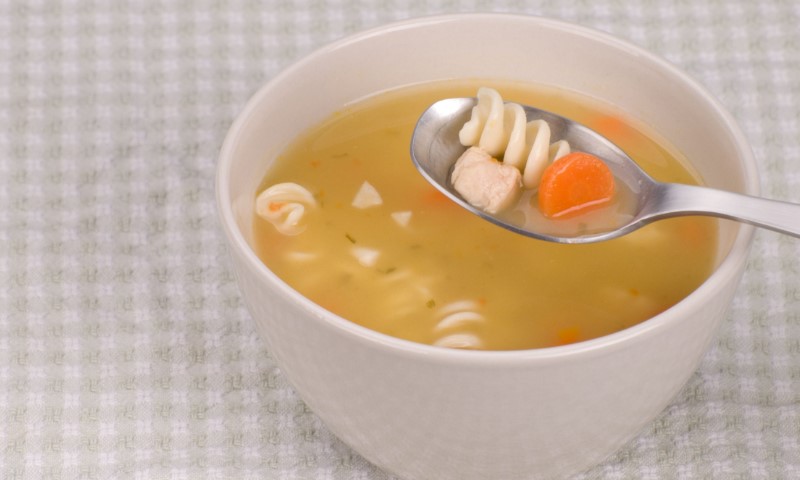
Of all the family remedies, chicken soup has one of the more unusual scientific histories. In 2000, researchers at the University of Nebraska Medical Center published a chicken soup experiment in the journal Chest.
They tested homemade soup on neutrophils, white blood cells involved in the body’s inflammatory response. The soup reduced the movement of those cells toward chemical signals in a laboratory test. The effect varied with concentration, and the researchers proposed that certain soup components might have mild anti-inflammatory properties.
The original paper did not measure recovery time. It described an experiment that measured immune-cell movement in a laboratory chamber. No patients ate the soup as part of the trial, and nobody measured how quickly they recovered.
That distinction matters when someone wants to use soup as medicine. A laboratory effect is worth further research, but it does not establish a clinical cure. However, Mayo Clinic recommends warm liquids to help soothe a sore throat and ease nasal discomfort. Soup also contributes to fluid intake.
Chicken soup remains a reasonable comfort food. It should not be expected to eliminate the virus.
Myth 5: You Can Sweat a Cold Out Under Heavy Blankets
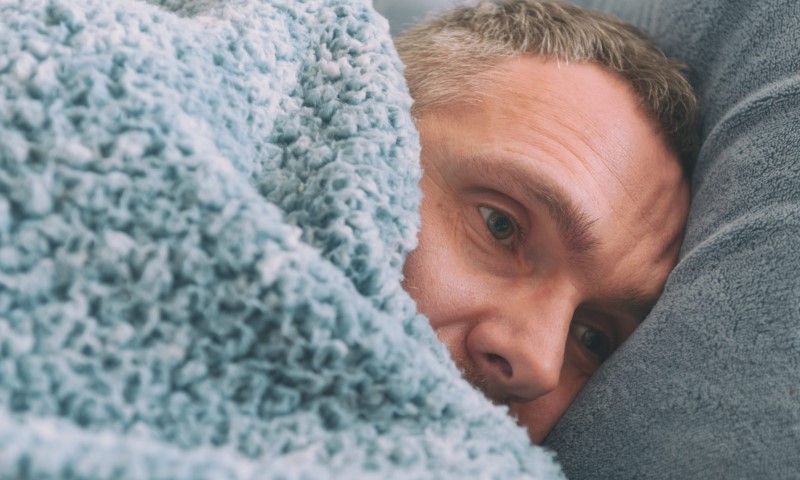
Some families treat heavy perspiration as proof that an illness is about to end. Extra blankets appear even when someone already has a fever. Sweat primarily helps regulate body temperature, and deliberate perspiration has no proven ability to eliminate common cold viruses.
Excess heat can increase fluid loss and discomfort. The CDC’s common cold guidance recommends rest and adequate fluids during recovery. Fever is part of the body’s response to infection, but additional blankets do not reliably improve that response.
Use a blanket if you feel chilly. Remove it once you become too warm. Comfort is a perfectly good reason to get under the covers, but there is no medical benefit in forcing yourself to sweat.
Myth 6: Hot Steam Kills the Cold Virus
View this post on Instagram
A bowl of hot water and a towel over the head remain familiar remedies for a stuffy nose.
A 2017 Cochrane review evaluated six randomized trials with 387 participants. Researchers tested heated, humidified air delivered through a special device. The evidence did not establish a reliable reduction in cold duration or symptoms. One trial found no significant difference in rhinovirus shedding between treatment and placebo groups.
The equipment used in those trials deserves attention. The researchers tested controlled delivery through a device, which differs considerably from the household method involving a bowl of boiling water.
In November 2025, the NHS and British Burn Association issued a safety warning after serious burns associated with steam inhalation. Children were particularly vulnerable to accidental hot-water spills.
A clean cool-mist humidifier or saline nasal spray offers a safer way to manage nasal discomfort. Neither method kills the cold virus, but both avoid the unnecessary burn risk of a bowl of scalding water.
Myth 7: You Should Stop Eating When You Have a Fever
The old saying feed a cold, starve a fever recommends food for a cold and fasting for a fever.
Rachel Dawkins, MD, of Johns Hopkins All Children’s Hospital, explains in her review of common medical myths that people with either condition need adequate fluids. Food is also appropriate during a fever, and good nutrition can help maintain energy during illness.
Fever can increase fluid requirements, particularly when a person sweats heavily. A reduced appetite is common, so smaller meals may be easier to tolerate.
If a full dinner sounds unappealing, try a smaller portion of soup or another familiar food. Deliberate fasting offers no established benefit against a respiratory virus.
Myth 8: A Large Dose of Vitamin C Stops a Cold Overnight

Vitamin C has a long reputation as a quick remedy for the first sneeze.
A 2013 Cochrane review analyzed 29 trial comparisons with 11,306 participants. Regular vitamin C supplementation did not significantly reduce the risk of colds in the general population. However, the review found a modest effect on illness duration among people who took vitamin C regularly before symptoms began.
Colds lasted an average of 8% less time in adults and 14% less time in children.
The adult figure can be expressed in a more familiar unit. For a hypothetical seven-day cold, an 8% reduction equals about 13 hours and 26 minutes. The calculation illustrates the average percentage reported in the review. Individual results can differ considerably.
Trials in which participants started vitamin C after symptoms appeared did not demonstrate a consistent benefit. Regular supplementation therefore has a different evidence base than a large dose taken after the first sneeze. Neither approach offers a reliable overnight cure.
Which Family Advice Is Actually Worth Keeping?
The research gives no reason to discard every family remedy. Warm soup can soothe an irritated throat, and a comfortable blanket can help when you feel cold.
For prevention, clean hands and better indoor air matter much more. People with respiratory symptoms should also reduce close contact with others. If symptoms include difficulty breathing, dehydration, or a fever that persists for several days, medical attention is appropriate.
A useful remedy should address the actual problem. Warm fluids may soothe a sore throat, and rest can help when illness leaves you exhausted. There is no reason to refuse a comforting bowl of chicken soup.
And the next time someone blames your cold on wet hair, you can thank them for their concern. Just don’t let them wrap you in three blankets and insist that you sweat the illness away.