
Do Hair and Nails Grow After Death?

A beard that looks longer, fingernails that seem to keep growing - some changes after death can be surprisingly convincing. But what looks like continued growth has a much simpler explanation.

The idea of hair and nails continuing to grow after death is unsettling enough to keep the old myth alive.
A Reddit discussion about hair and nails after death shows how the belief continues to circulate, even though the explanation lies in postmortem changes to the skin. Hair and nails do not continue to grow after death. The skin loses moisture and pulls back, so nails and hair can look longer even though their actual length has not changed.
That is a less alarming explanation, and the visual effect is convincing enough to explain how the myth survived for so long.
In this article
Why It Looks Like Hair and Nails Still Grow

After death, the body starts to lose water. The skin dries out and gradually pulls back, and that process can expose more of the nail than was visible before. A similar thing happens on the face, so short beard hairs can look more noticeable.
In other words, what the eye registers as growth may actually be a change in the skin around the hair or nail. People probably did not invent the change they saw. They just gave it the wrong explanation.
Real Growth Requires Living Cells
The hair you see above the skin is made mostly of keratin, while actual growth takes place deeper inside the follicle. New cells form there and gradually push the hair forward.
Nails work in a very similar way. New material forms in the nail matrix beneath the skin, where the cells depend on a normal blood supply.
After death, circulation stops, so the cells no longer have the conditions needed for the continuous growth that happens during life.
The death of the whole body does not, in theory, mean that every individual cell stops functioning at exactly the same moment. Some cells may survive for a short time, but that period is not long enough for any visible continuation of hair or nail growth.
The Body Continues to Change After Death
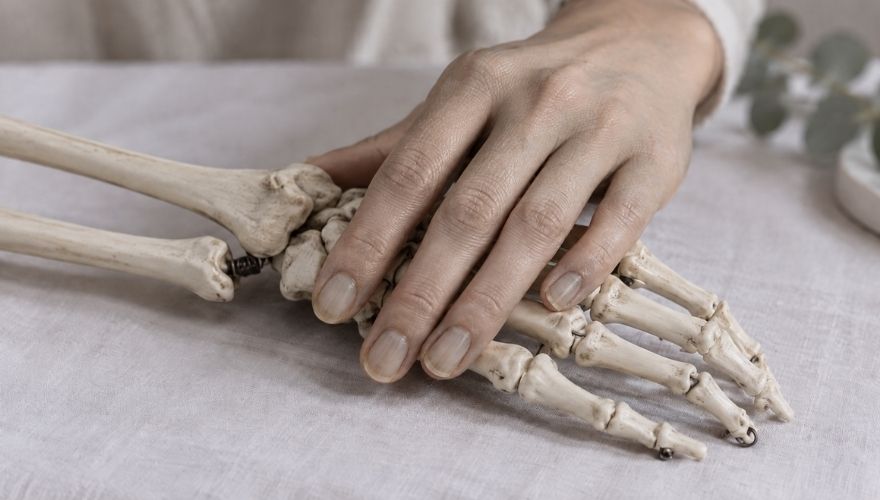
After death, dehydration happens along with other changes in the tissues, and the pace depends on temperature and the surrounding environment.
What is interesting is that hair and nails can eventually start to separate from the surrounding tissue. Postmortem changes in the skin and soft tissues further change the way hair and nails look, which probably explains some of the stories about their “growth.”
Embalming can also change how quickly some of those changes become visible. Preservatives slow certain processes, and products applied to the skin can reduce visible drying before the funeral.
For a closer look at these changes, watch What the Body Goes Through After Death, which explains how the body changes in the hours and days following death.
Why the Myth Survived for So Long
A story like this has everything it needs to last. It looks convincing, it is a little creepy, and it is simple enough to remember after hearing it once.
When someone sees a more noticeable beard or longer-looking nails on a body, “they kept growing” sounds like a logical explanation. Skin dehydration is a much less dramatic story.
Popular culture also helped keep the idea alive. Movies and stories about death have used the image of hair or nails that continue to grow for decades, so the claim easily gains the status of something we have “heard somewhere before.”
The internet only extended the life of the story. The question still appears on forums, where people usually split between those who are sure the growth is real and those who immediately mention the skin pulling back. If something looks longer, it is natural to assume that it grew.
Can You Still Count on a Good Hairstyle in the Afterlife?
Unfortunately, the process does not leave time for one last hair appointment.
Hair and nails stop their normal growth once the processes that create them shut down.
The real explanation is less alarming than the myth. Changes in the surrounding skin create a convincing illusion of growth.
Bottom line
The next time someone claims hair and nails keep growing after death, remember that it's the skin changing, not the hair or nails. What looks like growth is simply a postmortem illusion.
Sources