“Best By” Isn’t a Safety Date, and Your Leftovers Are Proof

Yogurt can look perfectly normal on Monday. By Tuesday, its “Best By” date has passed. Suddenly, you hesitate before you eat it, even though the yogurt has spent the entire time in your refrigerator.
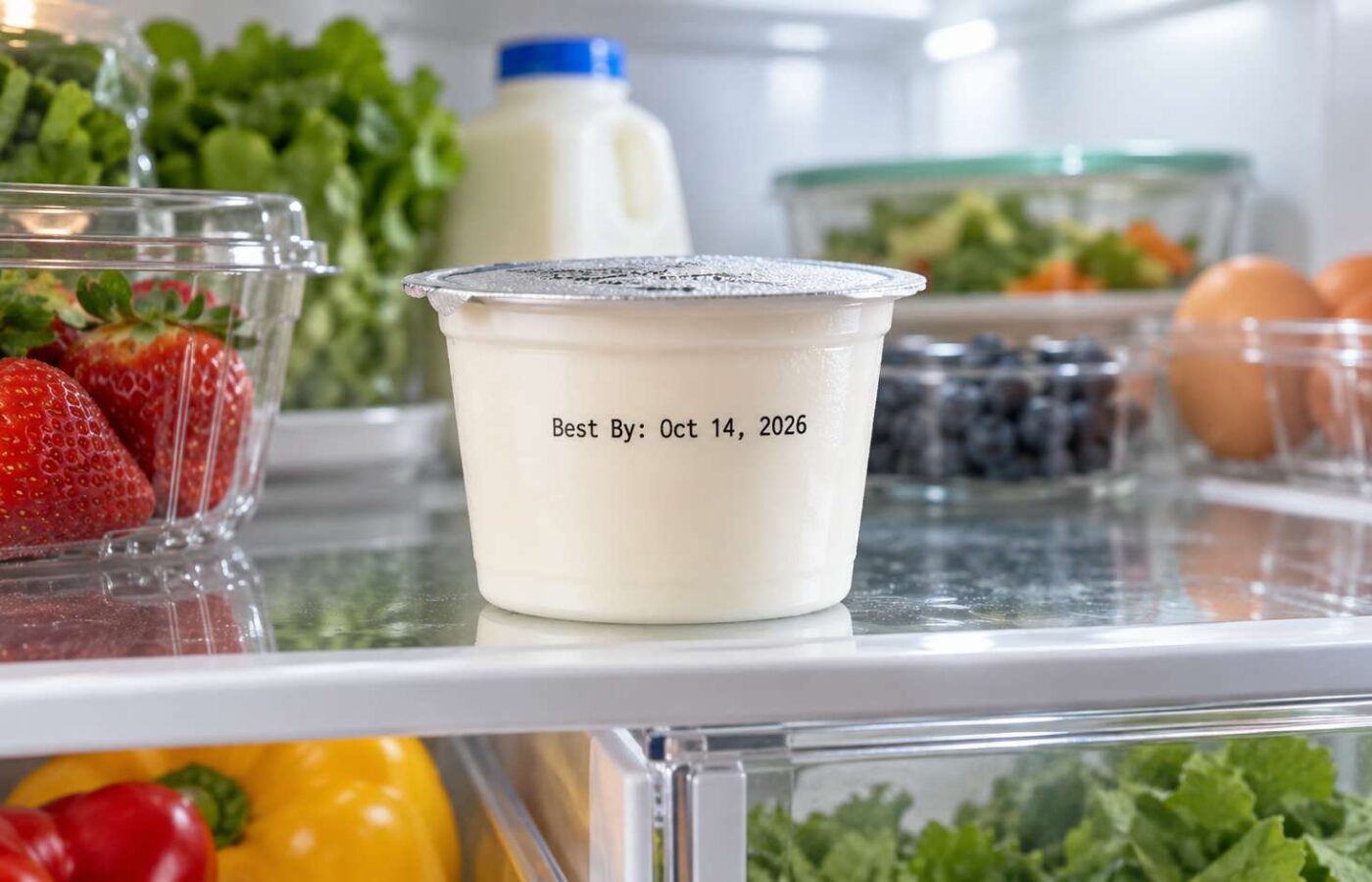
For most foods in the U.S., “Best By” indicates peak quality, not a food safety deadline. The FDA explains that a product may remain suitable for consumption past that date. Its storage history matters far more. Your dinner leftovers offer an especially useful example.
The temperature inside a refrigerator deserves more attention than the date stamped on a yogurt cup. A printed date is easy to read. The conditions that actually affect food safety take a little more effort to verify.
A refrigerator thermometer offers a useful way to check the conditions that a date label cannot reveal. Consider a container of chicken cooked on Sunday, October 11. On Wednesday, October 14, the refrigerator thermometer reads 38°F, and the chicken has been stored for three days.
In that example, the temperature is below the USDA’s recommended 40°F limit, and the chicken remains within the three-to-four-day storage window, provided it was refrigerated promptly.
Those two checks provide a better basis for a decision than the chicken’s appearance alone.
In this article
What Does the “Best By” Label Actually Mean?
American food packages carry several different date labels. According to the USDA’s food dating guidance, each serves a particular purpose:
- Best if Used By: The manufacturer’s recommended date for peak quality.
- Sell By: A date primarily intended for store inventory management.
- Use By: The last recommended date for peak quality on most foods.
Infant formula is an important exception. Its “Use By” date must be followed because the product must retain its declared nutritional value.
For other products, the printed date alone cannot establish safety. Packaging conditions also affect how long food maintains its quality. An unopened product may have a different safe storage period after you open it.
According to the FDA’s food waste guidance, confusion over date labels accounts for an estimated 20% of consumer food waste in the United States.
Your Leftovers Have a Different Safety Deadline

Consider a container of leftover chicken prepared on Sunday evening. By Wednesday, it has spent three days in the refrigerator. A thermometer reads 38°F, safely below the USDA’s recommended maximum of 40°F. If the chicken was refrigerated promptly and remained properly chilled, it is still within the recommended three-to-four-day storage period.
The preparation date and thermometer reading provide a much stronger basis for that decision than the chicken’s appearance alone.
There is no printed expiration date, so the preparation day becomes your reference point. The clock starts when you cook the meal, not when you decide to eat the remaining portion. Reheating it on Tuesday does not give the leftovers another four days.
The USDA recommends that most cooked leftovers be consumed within three to four days at a refrigerator temperature of 40°F (4.4°C) or below.
In our example, Thursday falls at the end of that recommended period, provided the food entered the refrigerator promptly and remained properly chilled.
One detail deserves particular attention: large quantities of hot food cool more slowly. Divide a large pot of soup into shallow containers before refrigeration. Smaller portions reach safe storage temperatures faster.
A useful example is a container of chicken cooked on Sunday evening, October 11. The preparation date is written on the lid. On Wednesday, October 14, the refrigerator thermometer reads 38°F. The chicken has spent three days in the refrigerator, so it remains within the USDA’s recommended storage period, provided it was refrigerated promptly.
Now consider a detail that changes the decision. Someone remembers leaving the chicken on the counter for three hours before refrigeration. The acceptable refrigerator temperature no longer matters. The safest decision is to discard the chicken.
Pay attention to that detail before trusting the date on the container. A refrigerator thermometer can confirm the current temperature, but it cannot tell you what happened to the food before it reached the shelf.
Food Can Become Unsafe Before Its “Best By” Date
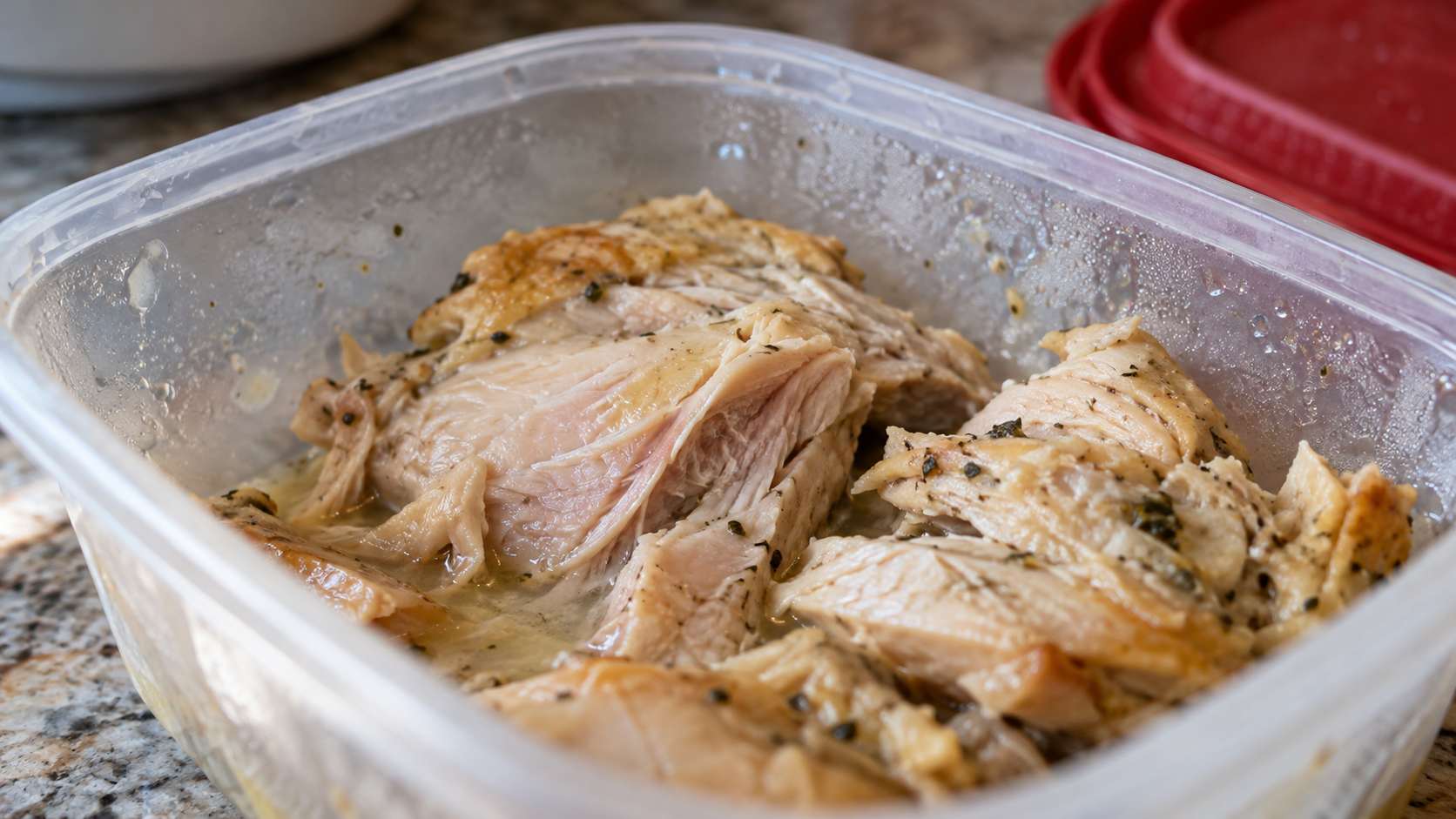
Consider a container of chicken salad with four days left before its printed date. You leave it on the kitchen table during a long afternoon.
The USDA’s food safety rules limit the time perishable food can remain at room temperature to two hours. At temperatures above 90°F (32.2°C), the limit falls to one hour.
The USDA identifies 40°F to 140°F as the food safety danger zone. Bacteria can multiply rapidly within that range. Refrigeration slows bacterial growth, but it cannot reverse unsafe storage conditions.
Several hours on the table make that chicken salad unsafe, regardless of its printed date. Even reheated leftovers need to reach 165°F (74°C) internally, according to the USDA’s reheating guidance. A food thermometer can verify the temperature.
Can You Trust the Smell of Food?
Imagine you find a container of cooked rice at the back of your refrigerator. It smells normal, but the lid has no preparation date. You cannot establish how long it has been there. Discarding it is the safer choice. The absence of an unpleasant smell cannot establish that the rice is safe. Food may smell normal even after unsafe storage, so appearance alone is an unreliable safety test.
A better approach is to check the food’s storage history first. If you cannot establish how long a perishable item sat outside the refrigerator, choosing to discard it is the safer option.
What Should You Remember?
A “Best By” date can help you assess product quality. Safe consumption requires attention to the specific food and its storage conditions.
For leftovers, a preparation-date label is particularly valuable. For packaged food, pay attention to storage instructions after opening.
Before discarding food solely because its quality date has passed, check the applicable safety guidance. Before eating food with a future date, consider how it was stored. The printed date is only one part of the decision.