Turning the Heat Down at Night Saves Money, Whatever Your Repairman Told You

If a repairman ever told you to leave the thermostat at the same temperature all night because the system would use up all the saved energy in the morning as it warmed the house back up, the advice probably sounded completely logical.
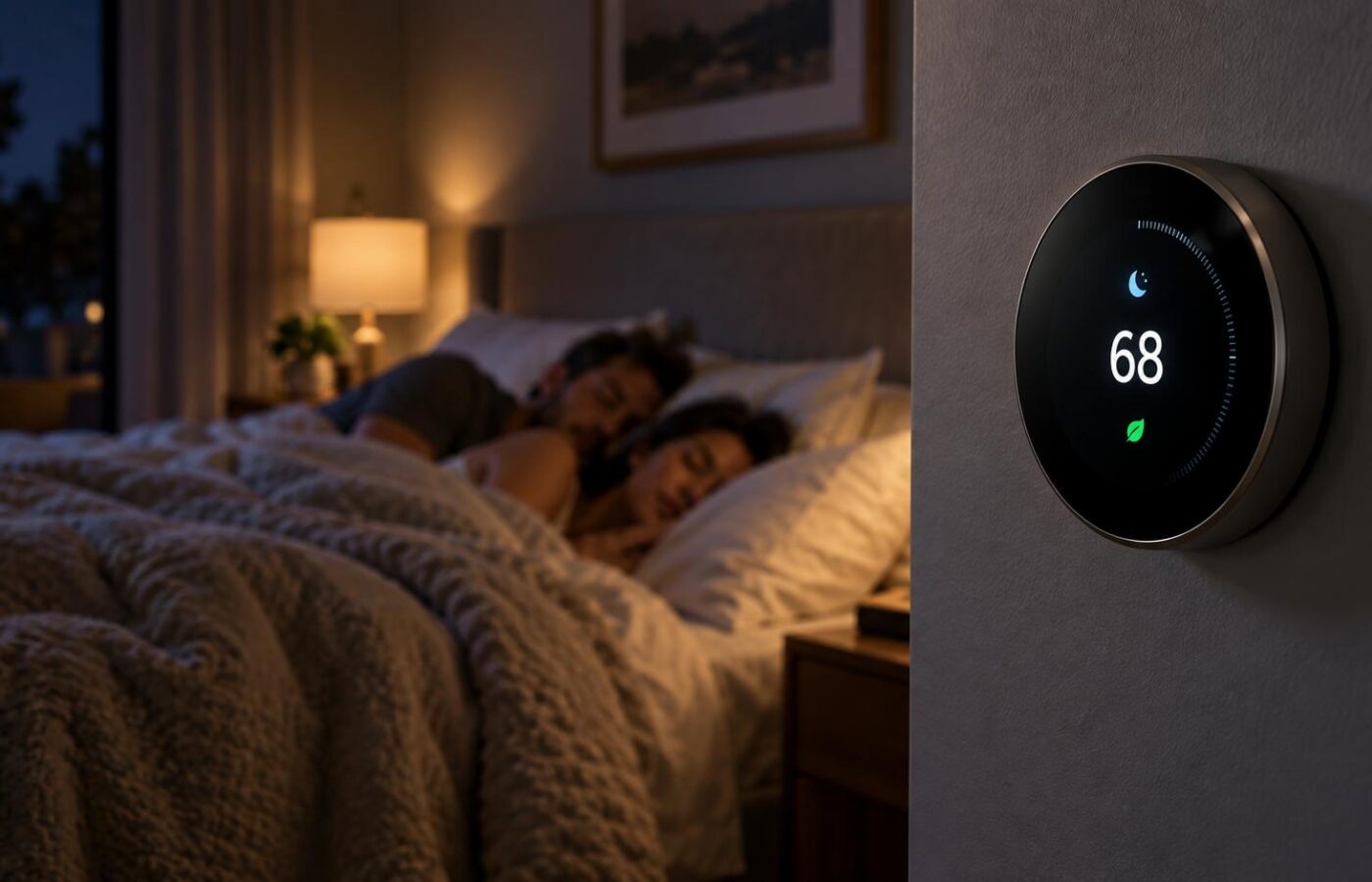
A colder house has to warm back up, so it is easy to assume that you have only pushed the cost a few hours forward.
With furnaces and many conventional heating systems, lowering the temperature at night really does reduce energy use. The U.S. Department of Energy says that lowering the thermostat by 7 to 10°F for eight hours a day can reduce annual heating and cooling costs by as much as about 10 percent.
The apparent contradiction comes down to what we notice. A furnace that runs longer in the morning is easy to hear. The energy a house did not lose overnight is much harder to observe. The relevant measure is total energy consumption across the entire day, not the duration of one furnace cycle.
In this article
Why a Lower Nighttime Temperature Really Saves Energy
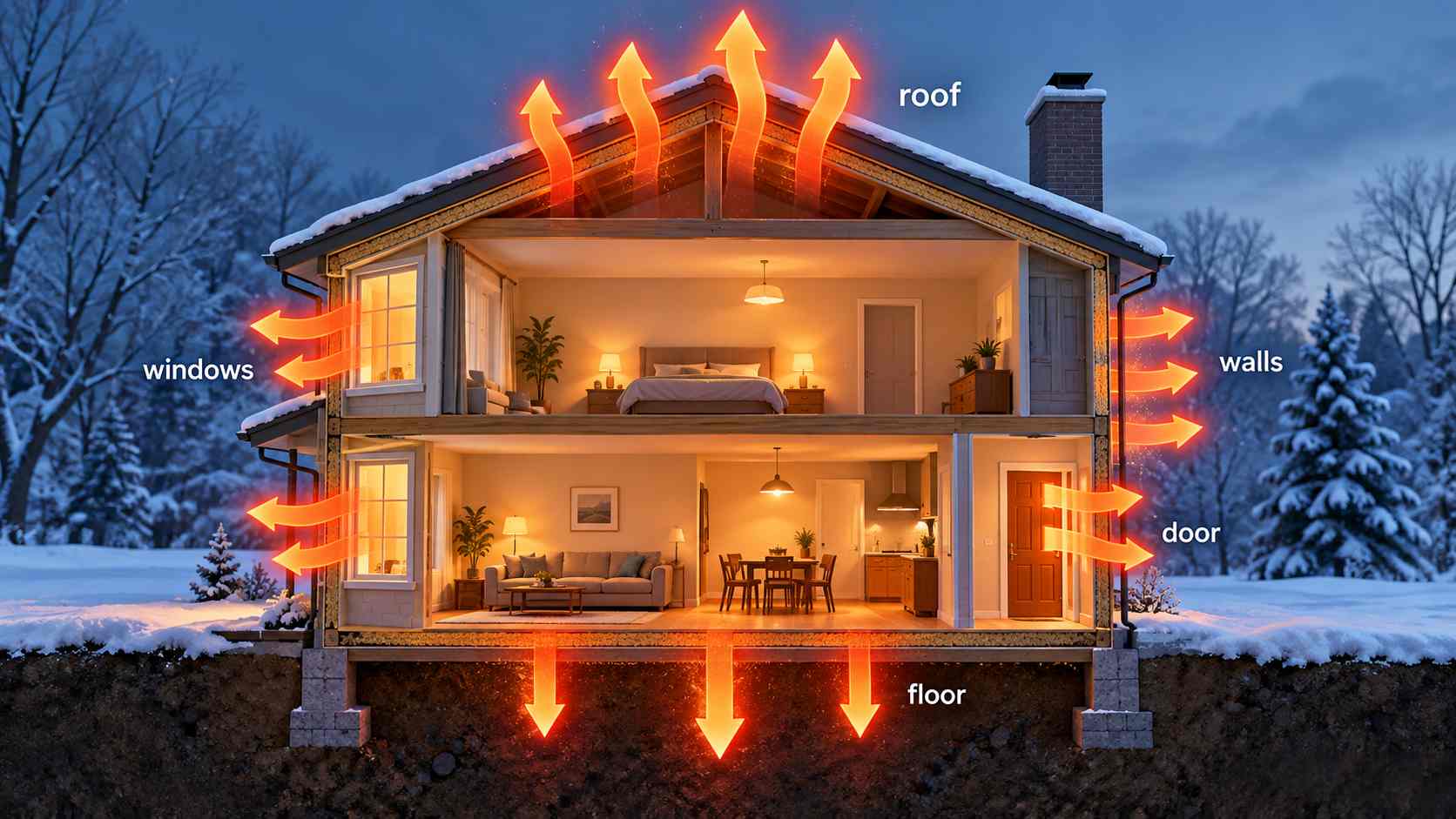
Consider a winter night with an outdoor temperature of 30°F. At 70°F indoors, the temperature difference is 40°F. At 62°F indoors, the difference falls to 32°F.
Under a simplified heat-loss model, that represents a 20% reduction in the rate of heat loss: (40 − 32) ÷ 40 = 0.20.
However, a 20% lower heat-loss rate does not translate into a 20% lower utility bill. A house takes time to reach the lower temperature. Its actual energy use also depends on insulation, air leaks, outdoor conditions, and the duration of the setback.
The U.S. Department of Energy confirms that a smaller difference between indoor and outdoor temperatures reduces heat loss.
What Happens in the Morning?
The system has to raise the temperature again, so it runs longer. With furnaces and similar systems, the energy required to bring the house back to its daytime temperature usually does not erase the savings from the previous hours. The house simply lost less heat during the setback period.
A longer furnace cycle after a cold night does not automatically eliminate the energy saved overnight. The important factor is total fuel or electricity consumption across the full period.
The situation becomes more complicated with heat pumps. Some systems activate auxiliary electric resistance heat after a large thermostat increase. That extra energy use can reduce or even eliminate the savings.
The Department of Energy explains why heat pumps require appropriate thermostat controls. A thermostat designed for heat pump recovery can make scheduled temperature reductions more effective.
For a conventional furnace, an overnight setback generally reduces heat loss. For a heat pump, the equipment and thermostat settings must be checked before the same advice applies.
How Much Money Can You Realistically Save?
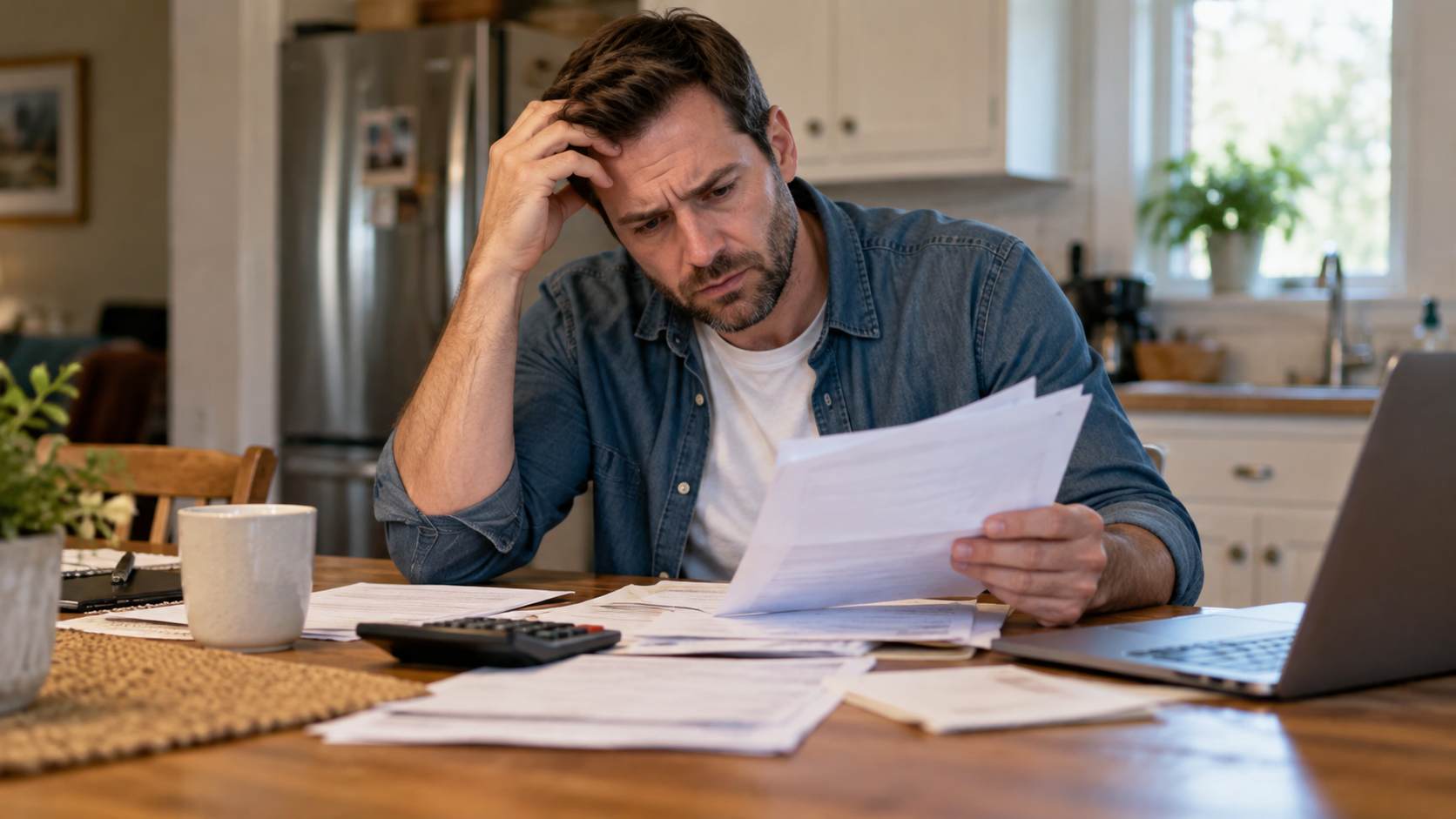
The U.S. Department of Energy estimates that a thermostat setback of 7–10°F for eight hours a day can save up to 10% annually on heating and cooling costs. That is a potential result, not a guaranteed reduction for every household.
A separate real-world benchmark comes from the EPA’s ENERGY STAR program. Certified smart thermostats save approximately 8% on heating and cooling bills on average, or around $50 annually. The certification uses data collected in actual homes.
The 8% figure covers overall smart thermostat performance. It does not measure the isolated effect of an overnight setback.
For a hypothetical household with a monthly space-heating bill of $180 and a five-month heating season, a 5% reduction would equal $9 per month and $45 per season. An 8% reduction would equal $14.40 per month and $72 per season.
Neither calculation represents a measured result for a specific household.
A homeowner who wants to assess the actual benefit should record daily energy consumption, thermostat settings, and outdoor temperatures. Compare periods with similar weather conditions. A lower bill alone cannot establish the cause because energy prices and outdoor temperatures may also change.
Nighttime Energy Prices Depend on Your Heat Source
With natural gas, the savings usually come from lower consumption. A typical U.S. household does not have a separate nighttime natural gas price, so running the furnace at 2 a.m. does not make the gas itself cheaper. The EIA explains natural gas pricing through the cost of the fuel itself and delivery charges, with retail prices subject to change across different months.
Electricity adds another possibility.
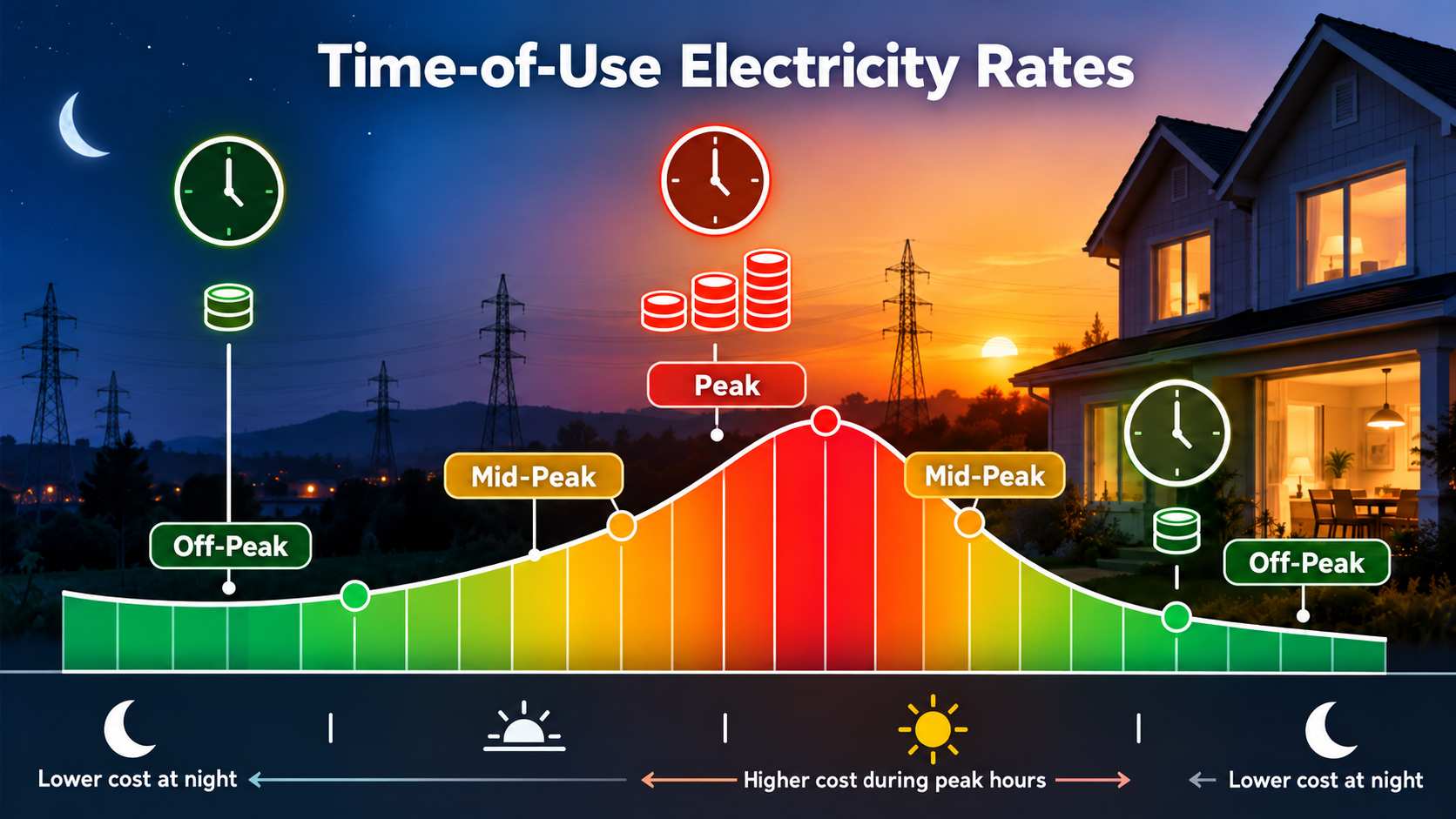
Most U.S. customers do not directly pay hourly changes in wholesale electricity prices. Some households have Time-of-Use rates, where the price depends on the time of day when electricity is consumed.
California offers a good example. Under Time-of-Use rates, high-demand periods cost more, while off-peak hours cost less. Nighttime can therefore offer another type of savings for a home with electric heat if the household actually has a lower rate during those hours.
Before you start calculating nighttime kilowatt-hours, check the rate plan listed on your bill. A standard electricity rate may stay the same all day, so the savings again come mainly from lower energy use.
Where It Is Easy to Go Wrong and Lose the Savings
The easiest mistake is to lower the temperature too much and then raise the thermostat aggressively in the morning.
Another mistake is to expect a lower bill after only a few nights. Outdoor temperature also affects energy use, so a colder month can erase the visible savings created by the setback.
If you have a Time-of-Use electricity rate, pay attention to the hour when the system starts to warm the house again. Morning recovery during a more expensive rate period can reduce the financial benefit even if total energy use is lower.
A Few More Interesting Questions
A few related questions are worth answering before you change your thermostat settings.
Conclusion
Lowering the thermostat at night makes sense in many homes because a lower indoor temperature reduces heat loss for several hours. With conventional furnaces, that often means lower energy use. Heat pumps require more careful thermostat control.
The best result comes when you know which system you have, how fast your house cools down, and what type of utility rate you pay.
At the end of the day, the most important thing is that you feel warm and comfortable when you get up. And if the bill ends up a little higher, money was made to be spent anyway.